Your Roku TV would not look nearly as good because it may if you take it out of the field.
Out of the field, your Roku TV seemingly would not provide the very best image high quality. It is because producers usually select default settings to make their TVs stand out amidst a sea of rivals in shops. However with a number of changes, you may get a extra impartial picture that appears extra lifelike and preserves the creative intent of no matter you watch.
You do not want any skilled show calibration gear to get probably the most out of your Roku TV. A unique image mode or a handful of small changes to the TV’s settings could make a surprisingly large distinction to the picture. Understanding what every setting means in your Roku TV helps you recognize which of them to choose for one of the best image high quality.
The very best image high quality settings to your Roku TV
Fashionable TVs ship with a number of image modes, however some are objectively extra correct than others. Some higher-end fashions even go so far as providing a Filmmaker mode that disables a lot of the TV’s picture high quality tweaks and post-processing. But when your TV lacks a calibrated or Filmmaker mode, you need to have the ability to manually tweak a number of settings to enhance the picture high quality.
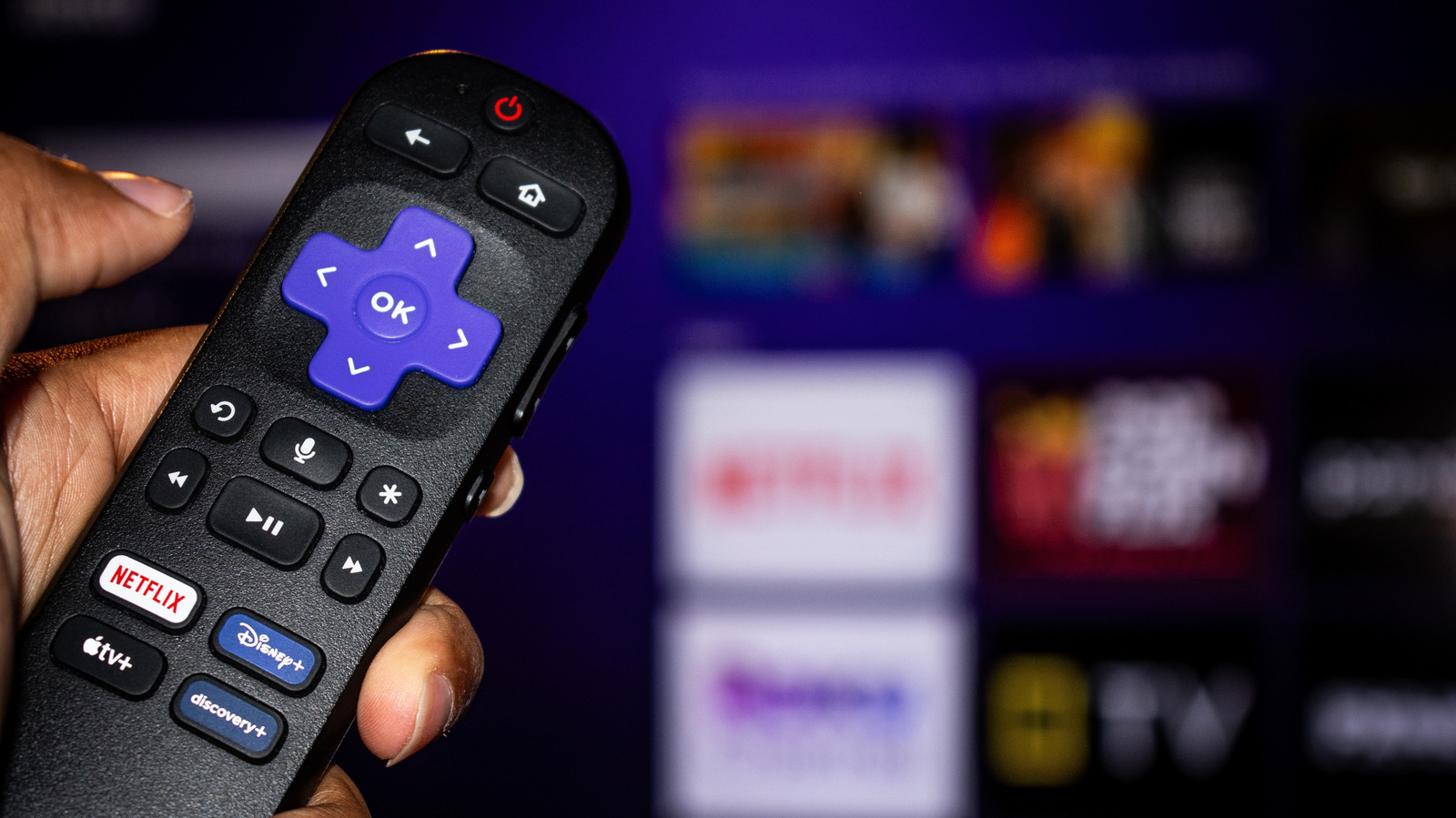
You may discover these image modes in your Roku TV by urgent the * (star) button in your distant and choosing Image Settings. If it would not seem, begin taking part in one thing first. It’s best to discover three choices right here: Show Brightness, Image Mode, and Customise image.
Beginning with Image mode: selecting Customary or Film will provide one of the best accuracy, whereas Vivid will enhance coloration saturation, brightness and distinction. Whereas producers usually use Vivid mode to emphasise their TVs in showrooms, the picture virtually at all times appears extra exaggerated than it ought to to my eyes. Between Customary and Film modes, the latter could have much less picture processing and skew barely hotter in coloration temperature. Lastly, Roku Sensible Image will attempt to detect what’s on show and choose the appropriate image mode for it.
You may cease after choosing an image mode, but in addition have the choice to additional dial in particular settings like brightness, distinction and sharpness within the Customise image menu. The Backlight setting does what it suggests; the next worth (larger depth) is mostly higher for brilliant rooms. You may wish to regulate the opposite settings regularly, relying on what appears good to your eyes.
As an example, a increased distinction or sharpness worth is not at all times higher, because the latter could make the image look overly processed. I would advocate growing or reducing these ranges in small increments, then watching one thing to see how they appear in apply. Should you want steering, you need to have the ability to discover really helpful calibration guides to your mannequin on-line, which provides you a baseline to work from.
Knowledgeable settings on a Roku TV to additional enhance picture high quality

Below the Customise image menu, you may additionally discover the Knowledgeable or Superior settings sub-menu. Inside it, the principle setting to be careful for is Motion Smoothing, Motion Readability or LED Movement Readability. Movement interpolation, or smoothing, makes fast-paced content material seem extra fluid. This will work nice for sports activities, however provides films and virtually anything you watch in your TV a man-made or “cleaning soap opera” look. You possibly can disable it totally or set it to Low.
Relying in your TV mannequin, the Knowledgeable settings menu must also home a handful of different picture post-processing choices like Noise Discount, Shade Temperature and Dynamic Distinction. When you can choose which coloration temperature setting appears finest to your eyes, turning down or disabling Noise Discount and Dynamic Distinction will yield probably the most correct picture.
Lastly, remember that these image settings apply to every enter individually. Nonetheless, the Customise image menu affords a helpful Apply settings to all inputs button on the backside should you do not wish to fine-tune every one.
Why you need to keep away from Low Energy mode on Roku TVs
Most Roku TVs ship with the Low Energy show mode enabled. It is because vitality effectivity rules in lots of areas require electronics producers to remain under sure energy consumption limits. Whereas it is extra power-efficient, this setting reduces the show’s most brightness, usually to the purpose of negatively impacting picture high quality.
Low brightness ranges could make brilliant scenes lose their visible pop or brilliance, and the general picture can look flatter in comparison with the identical TV working in a special image mode. It’s possible you’ll wrestle to note nice element in darker scenes too, as decreased brightness can compress the distinction between darkish shades of the identical coloration. Decrease brightness ranges can even scale back coloration vibrancy on many shows.
Over the previous decade, we have seen large leaps in show high quality due to Excessive Dynamic Vary (HDR) know-how enhancements. Content material mastered for HDR shows is particularly designed to benefit from excessive brightness ranges to supply intensely brilliant specular highlights whereas retaining element in darker areas of the picture. That is closely affected by Low Energy mode, and in addition one of many main areas the place funds TVs differ from costly ones.